Camping in Egypt’s White Desert is one of the country’s most extraordinary travel experiences. Surrounded by brilliant white chalk formations, open desert plains, and complete silence, visitors can enjoy a night beneath a sky filled with stars.
Located in Egypt’s Western Desert, the White Desert offers a remarkable combination of natural beauty, off-road adventure, peaceful camping, and unforgettable sunrise and sunset views.
Where Is Egypt’s White Desert?
The White Desert lies between Bahariya Oasis and Farafra Oasis in Egypt’s Western Desert. It forms part of the White Desert National Park and is famous for its unusual limestone and chalk formations.
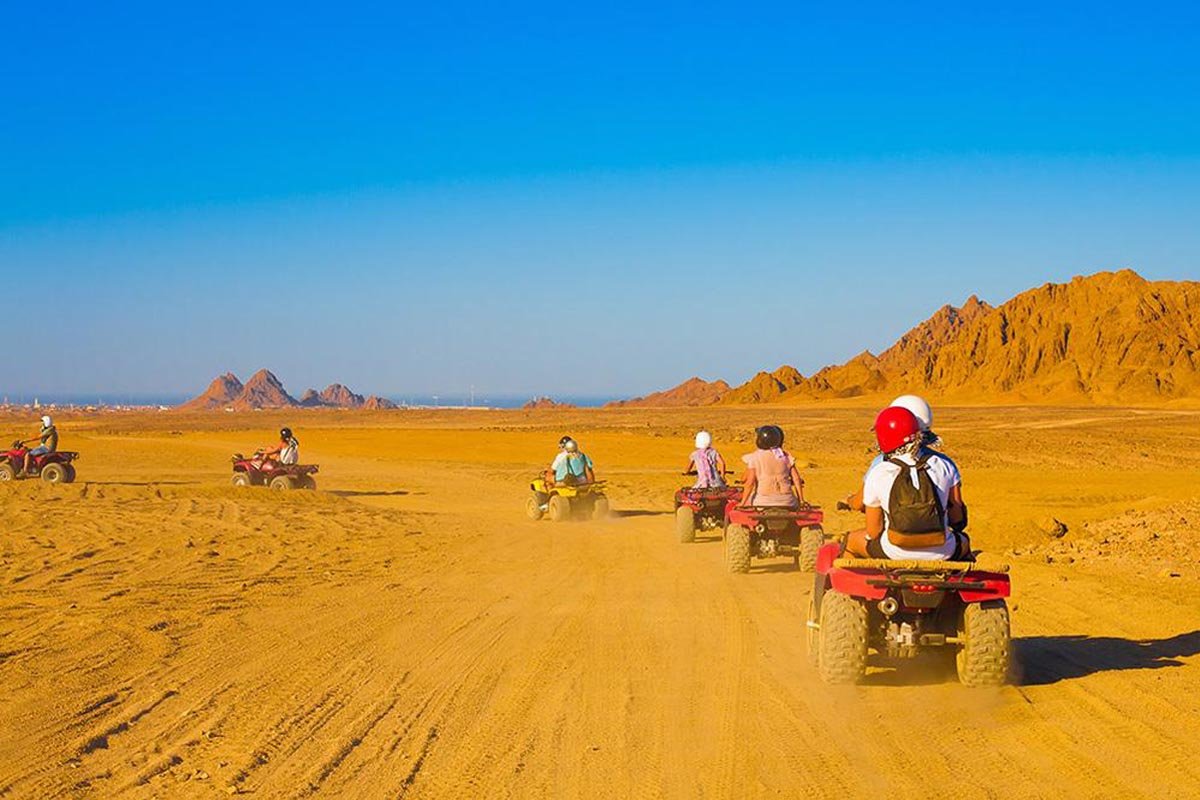
Most camping trips begin in Cairo and travel to Bahariya Oasis. From there, visitors continue into the desert in a four-wheel-drive vehicle accompanied by an experienced local guide.
Because of the remote terrain, travelers should never attempt to enter the White Desert without a professional guide.
Why Camp in the White Desert?
An overnight stay allows travelers to experience the desert at its most beautiful.
During the day, the white formations create a surreal landscape. At sunset, the chalk rocks reflect warm shades of gold, pink, and orange. After darkness falls, the absence of city lights reveals thousands of stars.
Camping in the White Desert offers:
- Peaceful natural surroundings
- Spectacular sunset views
- Clear night skies
- Traditional desert meals
- Bedouin tea around the campfire
- Sunrise among the chalk formations
- Excellent photography opportunities
- A unique escape from crowded cities
The Journey from Bahariya Oasis
Bahariya Oasis is the main starting point for most White Desert camping trips.
After meeting the desert team, travelers usually transfer into a four-wheel-drive vehicle and begin exploring the Western Desert.
The journey may include stops at several natural attractions before reaching the campsite.
Explore the Black Desert
The Black Desert is often the first major stop on the route.
Its hills and valleys are covered with dark volcanic stones, creating a dramatic contrast with the bright landscape of the White Desert.
Visitors may climb one of the smaller hills to enjoy panoramic views across the surrounding desert.
Visit Crystal Mountain
Crystal Mountain is a natural ridge containing sparkling calcite and quartz crystals.
Sunlight reflects across the crystal surfaces, creating a beautiful shimmering effect. Travelers should avoid removing crystals or damaging the formation because it is part of a protected natural environment.
Discover Agabat Valley
Agabat Valley is known for its white cliffs, golden dunes, and dramatic rock formations.
The area is ideal for:
- Photography
- Short walks
- Off-road driving
- Sandboarding
- Scenic stops
Its remote location and impressive landscape make it one of the most memorable parts of the journey.
See the Famous Chalk Formations
The White Desert is filled with natural sculptures shaped by wind and sand over thousands of years.
Some formations resemble:
- Mushrooms
- Rabbits
- Birds
- Camels
- Towers
- Giant abstract statues
The famous mushroom-shaped formations are especially beautiful during sunset and sunrise.
Arriving at the Campsite
Your guide will choose a suitable campsite away from fragile formations and exposed areas.
The desert team usually prepares the camping area before sunset. Depending on the tour, the campsite may include:
- Private or shared tents
- Sleeping bags
- Blankets
- Mattresses
- Floor cushions
- Tables and chairs
- Basic lighting
- Cooking equipment
Facilities are usually simple because the White Desert is a remote natural environment.
Dinner in the Desert
Dinner is often prepared fresh at the campsite by the local desert team.
A typical meal may include:
- Grilled chicken or meat
- Rice
- Vegetables
- Soup
- Bread
- Salad
- Fruit
- Traditional Bedouin tea
Sitting around the campfire and sharing a warm meal beneath the stars is one of the highlights of the experience.
Stargazing in the White Desert
The White Desert is an excellent place for stargazing because there is very little artificial light.
On clear nights, visitors may see:
- Thousands of stars
- Bright constellations
- Planets
- The Milky Way
- Occasional shooting stars
The desert becomes extremely quiet at night, creating a peaceful atmosphere that is difficult to experience in cities or busy resorts.
Wildlife Around the Camp
Although the White Desert appears empty, several animals live in the region.
Travelers may occasionally see:
- Desert foxes
- Small rodents
- Reptiles
- Desert birds
- Insects
Animals should never be fed, touched, chased, or disturbed. Food should be stored securely, and all waste should be removed from the campsite.
Watching the Sunrise
Sunrise is another unforgettable part of White Desert camping.
As daylight returns, the chalk formations slowly change from grey and blue to white, gold, and cream. The soft morning light creates excellent conditions for photography.
After breakfast, the desert team normally packs the campsite and continues the safari or begins the return journey to Bahariya Oasis.
Best Time for Camping
The best time to camp in Egypt’s White Desert is generally from October to April.
During these months, daytime temperatures are more comfortable for sightseeing and off-road exploration.
Winter nights can become very cold, particularly between December and February. Travelers should pack warm clothing even when daytime weather feels pleasant.
Summer camping is generally less comfortable because temperatures can become extremely high.
What to Pack
Recommended items include:
- Comfortable daytime clothing
- Warm layers for the night
- A jacket
- Closed walking shoes
- A scarf for sand and wind
- Sunscreen
- Sunglasses
- A sun hat
- Personal toiletries
- Wet wipes and tissues
- Personal medication
- A reusable water bottle
- A flashlight or headlamp
- A power bank
- A camera or smartphone
- A small overnight bag
Confirm with your tour operator whether tents, sleeping bags, blankets, meals, and drinking water are included.
Camping Facilities and Expectations
White Desert camping is an adventure experience rather than a luxury hotel stay.
Depending on the tour, toilets may be basic or unavailable. Running water and showers are generally not provided at remote campsites.
Travelers should be prepared for:
- Simple sleeping arrangements
- Limited privacy
- Cold nighttime temperatures
- Sand and dust
- Basic bathroom facilities
- No electricity or internet connection
The simplicity is part of the experience and allows visitors to connect with the desert environment.
Safety Tips
For a safe camping experience:
- Book with a reputable tour operator.
- Travel with an experienced desert guide.
- Never leave the campsite alone at night.
- Follow your guide’s instructions.
- Carry sufficient drinking water.
- Wear warm clothing after sunset.
- Stay away from unstable rock formations.
- Avoid climbing delicate chalk structures.
- Inform your guide about medical conditions.
- Check weather conditions before departure.
Travel insurance should cover desert safaris and camping activities.
Protecting the White Desert
The White Desert is a protected and fragile environment.
Responsible campers should:
- Leave no rubbish behind.
- Avoid damaging chalk formations.
- Never remove rocks, fossils, or crystals.
- Use established camping areas when possible.
- Keep fires controlled and supervised.
- Avoid disturbing wildlife.
- Follow national park regulations.
- Use environmentally responsible tour operators.
Everything brought into the desert should be taken out again.
Is White Desert Camping Suitable for Beginners?
White Desert camping can be suitable for first-time campers because the desert team usually provides transportation, equipment, meals, and guidance.
However, travelers should be comfortable with basic facilities, remote locations, changing temperatures, and sleeping in a tent.
Families with children, older travelers, and visitors with health concerns should discuss their requirements with the tour operator before booking.
An Unforgettable Desert Experience
Camping in Egypt’s White Desert offers much more than a night in a tent. It is an opportunity to explore extraordinary landscapes, watch the sunset among natural sculptures, share a traditional meal, and sleep beneath an incredible sky.
From the dramatic journey through the Black Desert and Agabat Valley to the peaceful sunrise over the white formations, every part of the experience creates lasting memories.