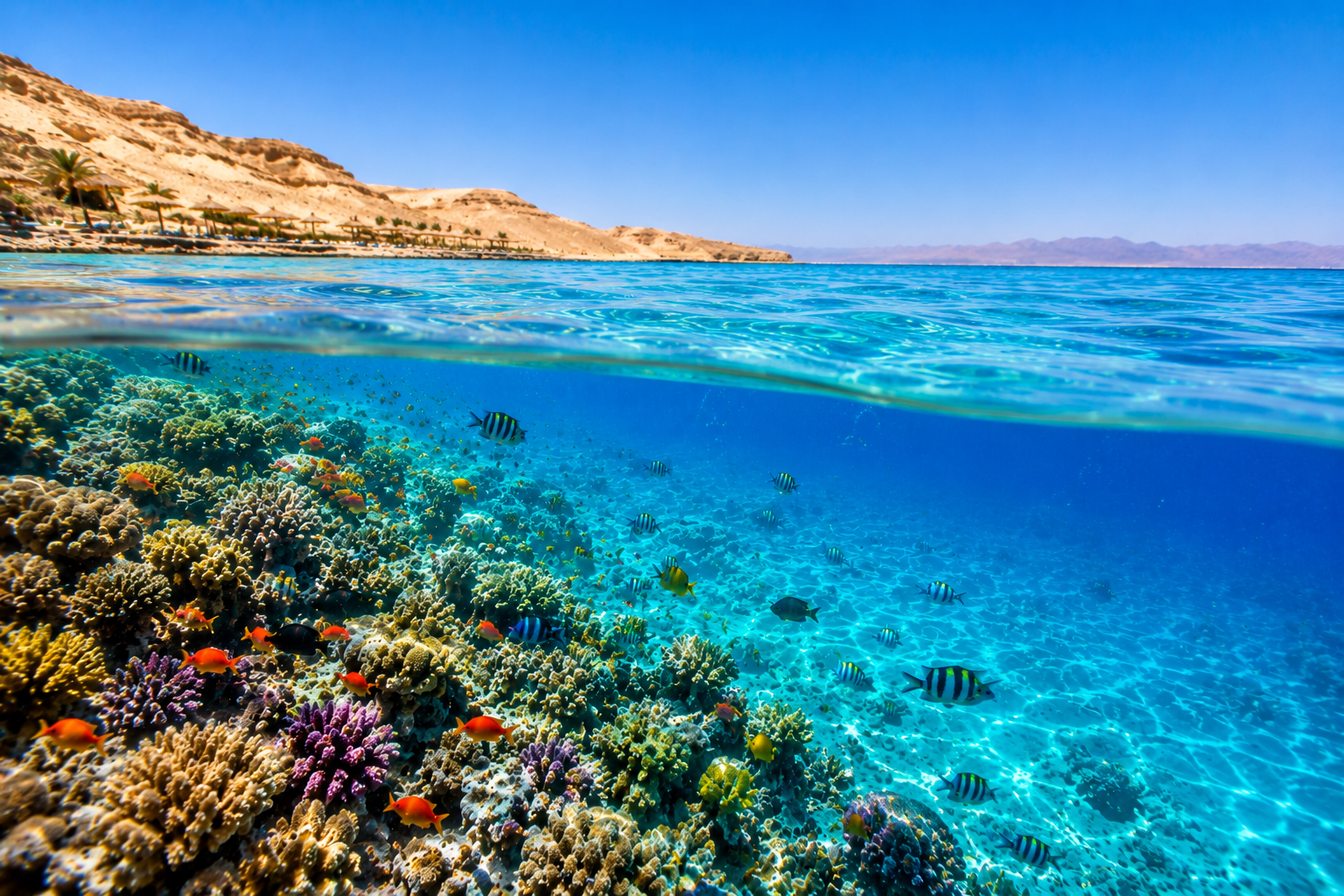
The Red Sea is one of Egypt’s greatest natural treasures. Its warm, clear waters, colorful coral gardens, and remarkable marine life make it an outstanding destination for snorkeling.
Whether you are a beginner entering the water from a sandy beach or an experienced swimmer joining a boat excursion, Egypt offers snorkeling locations for every type of traveler. From Hurghada and Marsa Alam to Sharm El Sheikh and Dahab, each destination provides a different underwater experience.
Why Snorkel in Egypt’s Red Sea?
Snorkeling is an easy and enjoyable way to explore the Red Sea without needing scuba-diving certification. Many reefs are located close to beaches or in shallow bays, allowing visitors to see corals and tropical fish from the surface.
Depending on the location, snorkelers may encounter:
- Colorful reef fish
- Sea turtles
- Rays
- Moray eels
- Dolphins
- Barracuda
- Clownfish
- Butterflyfish
- Occasionally, dugongs
Marine-life sightings are never guaranteed, but every snorkeling trip offers an opportunity to discover the beauty of the Red Sea.
Giftun Islands, Hurghada
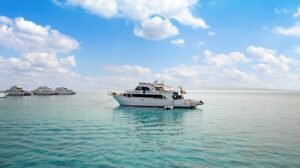
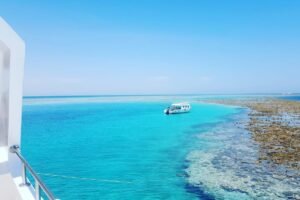
The Giftun Islands are among the most popular snorkeling destinations near Hurghada. Boat trips usually combine snorkeling stops with time on sandy beaches surrounded by turquoise water.
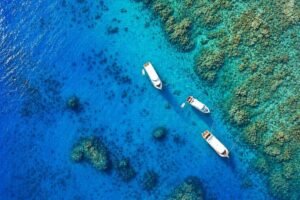
The reefs around the islands feature shallow coral gardens and colorful fish, making the area suitable for beginners and families. Many excursions also visit beach destinations such as Orange Bay, Paradise Island, or Mahmya.
Giftun is an excellent choice for travelers who want to combine snorkeling, relaxation, and a scenic boat journey.
Abu Dabbab Bay, Marsa Alam
Abu Dabbab Bay is especially famous for its resident sea turtles and seagrass-covered seabed. The protected shape of the bay can provide relatively calm conditions, while its sandy entrance makes accessing the water easier than at many coral-shore locations.
Snorkelers may see turtles feeding on seagrass, rays resting on the seabed, and schools of colorful fish around the coral areas. Dugongs are sometimes associated with the region, although encounters are rare and cannot be promised.
Marsa Mubarak, Marsa Alam
Marsa Mubarak is another well-known bay near Marsa Alam. It combines seagrass areas with coral reefs, creating habitats for turtles, rays, and many species of fish.
Visitors usually reach the bay on a guided boat excursion. Its marine diversity makes it particularly attractive to wildlife enthusiasts and underwater photographers.
Ras Mohammed National Park, Sharm El Sheikh
Ras Mohammed National Park is one of the most celebrated marine areas in Egypt. Located near the southern tip of the Sinai Peninsula, it is known for clear water, dramatic reef formations, and large schools of fish.
Popular snorkeling areas include coral gardens and reef plateaus accessible through organized boat or land excursions. Some locations can have currents or deeper water, so following the snorkeling guide’s instructions is essential.
Straits of Tiran, Sharm El Sheikh
The Straits of Tiran contain several famous reefs surrounded by deep blue water. Boat trips from Sharm El Sheikh typically stop at selected areas based on wind, currents, and sea conditions.
Snorkelers can enjoy coral walls, colorful fish, and impressive underwater visibility. Because conditions may vary, these trips are often better suited to confident swimmers.
Blue Hole and Nearby Reefs, Dahab
Dahab is known for its relaxed atmosphere and shore-access reefs. The Blue Hole is its most famous site, although snorkeling conditions and entry points require care.
Beginners should avoid entering unfamiliar areas alone and should always use an experienced local guide. Nearby reef locations may offer safer and more suitable alternatives depending on the day’s conditions.
Three Pools, Dahab
Three Pools is a popular snorkeling location south of Dahab. It features natural underwater pools, coral formations, and a variety of reef fish.
Many excursions combine snorkeling with a desert drive, camel ride, or time at a traditional seaside camp. This makes it a good choice for travelers wanting both marine and desert experiences.
Sataya Reef, Southern Red Sea
Sataya Reef, sometimes called Dolphin Reef, is a remote marine destination reached by boat from the southern Red Sea region.
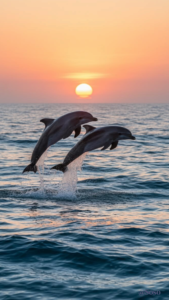
The area is associated with spinner dolphins, but responsible operators should avoid chasing, touching, feeding, or surrounding the animals. Dolphin encounters must remain respectful and controlled to protect their natural behavior.
Because the journey can be long and sea conditions may change, travelers should choose a reputable operator and follow all safety instructions.
Hamata Islands
The Hamata Islands, south of Marsa Alam, offer quieter snorkeling experiences in clear water surrounded by reefs, mangroves, and small islands.
These excursions are well suited to travelers seeking less crowded marine environments and longer periods in nature. The region’s remote character adds to its appeal.
Wadi El Gemal National Park
Wadi El Gemal National Park includes desert, coastal, mangrove, seagrass, and reef environments. Snorkeling excursions in the area may include protected beaches and islands with rich marine ecosystems.
Because these habitats are environmentally sensitive, visitors should follow park regulations and avoid disturbing turtles, coral, seagrass, or other wildlife.
Best Time for Snorkeling
Snorkeling is available throughout most of the year along Egypt’s Red Sea coast.
Spring and autumn generally offer pleasant air temperatures and comfortable water conditions. Summer provides warm water and strong sunshine, while winter can bring cooler winds, particularly around Hurghada, Sharm El Sheikh, and Dahab.
Morning trips often provide calmer conditions, although weather and visibility can vary from day to day.
Essential Snorkeling Safety Tips
For a safe and enjoyable experience:
- Choose a reputable and licensed excursion provider.
- Wear a properly fitted mask, snorkel, and fins.
- Use a life jacket when required or when you are not a confident swimmer.
- Stay close to your guide and group.
- Never snorkel alone.
- Check weather, currents, and sea conditions.
- Do not enter closed or restricted areas.
- Avoid swimming too close to boats.
- Follow all crew and lifeguard instructions.
Recent maritime incidents in the Egyptian Red Sea underline the importance of selecting reliable operators, checking safety equipment, and following official guidance.
Protect the Coral Reefs
Coral reefs are beautiful but extremely fragile.
Responsible snorkelers should:
- Never touch, stand on, or kick coral.
- Keep fins away from the reef.
- Avoid feeding or chasing marine animals.
- Never collect shells, coral, or marine life.
- Take all litter away.
- Use environmentally considerate sun protection where possible.
- Respect protected areas and local regulations.
Responsible behavior helps preserve the Red Sea for future visitors and protects the marine life that depends on it.
Discover the Underwater Beauty of Egypt
From the turtle-filled waters of Abu Dabbab to the coral gardens of Giftun and the dramatic reefs of Ras Mohammed, Egypt’s Red Sea offers countless opportunities for unforgettable snorkeling.
Whether you are traveling with family, looking for wildlife encounters, or simply hoping to float above a colorful reef, the Red Sea is ready to reveal an extraordinary world beneath the surface.